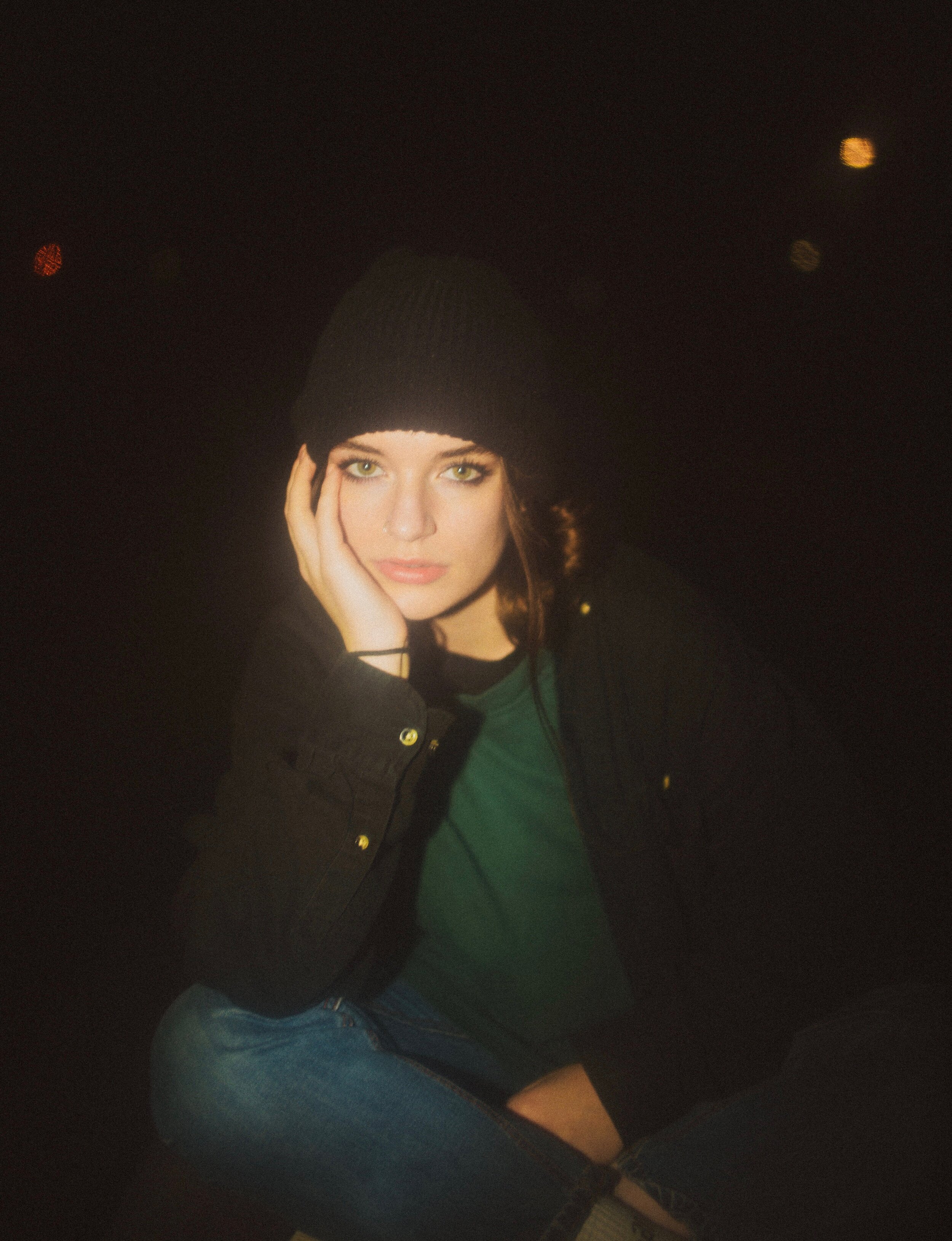
'REMOTE' / WALLOWS: REVIEW


by emma schoors

photo by nikoli partiyeli

photo by nikoli partiyeli

Remote” is uncharted territory for Wallows, and they’re navigating it with style.

Dylan Minnette, Braeden Lemasters, and Cole Preston didn’t physically see each other at all during the recording of their newest EP, which makes its completed form that much more impressive. Instead, they took to FaceTime and the iPhone voice memos app to complete the tracks.

“Dig What You Dug” is bass heavy and spotlights Braeden Lemasters’ stunning vocals. The pre-chorus is catchy and has the same general feel as some tracks on “Nothing Happens,” but as soon as the chorus hits, listeners are reminded that Wallows has changed significantly since then. Both versions of the band are equally worth listening to, but one thing is clear. The band is reigning in on what they do best in this EP, and there isn’t one “boring” song. Each track has countless musical complexities that make it memorable and worth giving another listen.

The intro of “Coastlines” is slightly reminiscent of the band’s most popular track, “Are You Bored Yet?” (feat. Clairo). Give it a mere couple seconds, though, and the band’s progression is clear. One of the most hard-hitting yet simplistic lines resides in this track: “Do your words make up what’s on your mind?” One key difference in this EP compared to the band’s earlier work is that it’s a lot more electronic-centric, and it’s pulled off surprisingly well.

“Talk Like That” showcases Dylan Minnette’s vocals, and overall shows the greatened intensity in the band’s sound. Just after the one minute mark the song takes a turn, and it becomes increasingly difficult to comprehend how the band managed to make such a beautifully complex song remotely. 

A beautiful and resonating closing song, “Wish Me Luck,” slows things down slightly. This change in tempo is much needed to contrast the high-paced songs that carry the EP. Dreamy is the first word that comes to mind, but that doesn’t cover how stunning the mix of sound and lyricism is. “I don’t wanna lose myself to all my insecurities. If I told you all of them, who would it hurt more? You or me?” Wallows has always been great at writing songs that connect with people, but this track is especially relatable. The fear of inadequacy that so many people often internally feel is navigated effortlessly. 

A true test of a band’s strength is their ability to adapt to abrupt changes in the industry and in the world, and Wallows has embraced these changes with ease... though, in the words of “Nobody Gets Me (Like You),” “All the things that made sense suddenly feel different.” The entire EP is deeply exciting, and a much needed breath of fresh air in an increasingly suffocating world. 


CHAZ CARDIGAN: INTERVIEW


by danielle holian

photo by joelle grace

photo by joelle grace

Kentucky-born musical artist Chaz Cardigan is making his way onto people’s radars with his musical talents after the release of his debut EP Vulnerabilia. Being open about his deepest insecurities and other troubles, he builds each track with a high-energy sound that immediately captures the attention of the listener. His follow-up EP, Holograma, sees a lot of growth that radiates in both his life and music. Moving forward with this new music collection of tracks, there’s a lot of in-depth reflection around his faith, past relationships, self-esteem, and sexuality, purely making sure there’s something for everyone all while being truthful to himself as an artist.

Unclear Magazine caught up with Chaz to discuss the release of his brand-new EP, his background in music, getting a record deal, and much more below.

For our readers, please tell us a bit about your background in music.

Chaz: “Sure! I grew up really fascinated by making things. As a kid I would make a bunch of little inventions out of shoestring or duct tape, or make up story ideas, or dance routines or whatever; I kind of stumbled into music because it was this ultimate way to make something and share it over and over again. I started playing in bands when I was about 10, and I made daily trips to Nashville to study songwriting and production from the time I was 13 until I graduated high school and moved there. I worked a bunch of odd jobs, supplemented my income producing tracks for rappers and pop artists, and I made the first Chaz Cardigan album while I was couch surfing and playing bass in a rock group. After I put that record out things just started moving, I played a ton of shows that just kept getting bigger, and then I signed with Capitol early last year.”


Who or what are your musical influences?

C: “Always changing, but the main handful over my life that stay the same are David Bowie, Imogen Heap, and Kanye West.”


You refer to your songwriting as “cracking the codes to emotion,” how important is it for you to have depth in your music?

C: “I think it’s the only thing you can do if you’re trying to have a career. Anybody can sing, anybody can write a song, anyone can learn to produce music and release it online; you’ve got to share something specific or give some kind of new perspective, or you’re dead in the water.”


Earlier this year you released your EP, Vulnerabilia. What inspired the EP?

C: “Therapy, honestly. I wrote all of those songs throughout 2018 while I was taking my mental health seriously for the first time and really learning my bad habits and trying to be more a mindful person. Each of those songs was written during or after a panic attack, trying to get to the bottom of myself.”


And where did the idea for your follow-up EP of Holograma, come from?

C:Holograma is about watching my ideas and my relationships change. After I signed my record deal, the pace of everything just ratcheted up: I was traveling a lot more, I was in my first really serious relationship, and all of the relationships in my life were changing with my team, my family, and my friends. All of the songs I wrote in 2019 had this through line of flux, and looking back at old memories with new context. It’s more of a storytelling record.”


Your music is very visual, how involved are you in the creative process?

C: “Incredibly. I had gotten into college for film, but I couldn’t afford to go, and most of the ideas I have are visual. Connecting with the Bad Robot crew and getting to make videos with them as part of my job is super surreal.”


And you signed your record deal with Capitol earlier this year, how did that come about?

C: “I went to LA for the first time in 2018, and met an A&R at Capitol who was a mutual friend of my manager’s.  We really hit it off and talked for a few hours about music and politics and tech. A few months later I played my first show in LA, a few of the Capitol crew were there, and that’s what landed the deal.”


What would you say was your biggest challenge breaking into the music industry?

C: “This is a great question. I think there’s an expectation that artists are supposed to come out of the womb fully developed creatively, and have a really defined vision by the time they’re 16 or 17, and that’s just not how brains or identities work. I’ve noticed that kids who grow up in major entertainment hub cities like LA or New York or London are able to soak in more of the industry, and kind of learn what to parrot very early on, and access to a good network is closer, so there’s never a shortage of wunderkind artists from major cities. I think my biggest challenge was growing up in Kentucky — where there wasn’t really a local music scene — and then having to figure myself out in Nashville — where there wasn’t a scene at the time for what I was making — and without having the grace of meeting people through college, all before social media really exploded and every kid got GarageBand pre-installed on their phones. I really had to scratch and climb in a city where people treated me like I was an alien, and I still only have anything because of friends I climbed with along the way, and I’m seriously so grateful for that experience. It’s been a blast, and I’ve loved it.”


What do you want the listeners to take away from your music?

C: “Nothing lasts, and that’s beautiful; take it all in.”


And finally, what’s one fun fact about yourself for our readers?

C: “I am a massive Star Wars dork. For whatever reason, my brain just keeps a whole quadrant cleared out for weird Star Wars trivia and lore.”


FIND CHAZ ONLINE

WEBSITE TWITTER INSTAGRAM FACEBOOK


'CAMERA SHY' / SARA KAYS: REVIEW


by emma schoors

photo by meg mccauly

photo by meg mccauly

Nashville-based singer-songwriter Sara Kays’ latest EP Camera Shy is a collection of beautiful, poetic tracks, all personal enough to connect with listeners in a special and meaningful way.

“Home for the Summer” weaves the pain of separation with the beauty of togetherness. Kays’ gorgeous vocals dance around the song as she details the effortlessness of high school, and the difficulty of leaving someone she loves behind as life gets more complicated. This track is gut-wrenching in all the right ways, and displays her true talent for bringing her audience into the story as they listen.

Closing track “I’m Okay Though” delves into Kays’ personal struggles and feelings, such as feeling alone and having to deal with family issues, all the while having to fight inner demons. The bubbly chorus contrasts the dark lyrics perfectly. This vulnerability is what sets Kays apart from many artists, and her willingness to share her struggles will surely resonate with even more listeners in the future.

Sara Kays is an artist to look out for at the very least. Her vocals are stunning, and her lyricism and ability to tell a story is unmatched. Kays’ style of songwriting is a great way of de-stigmatizing discussions around mental health, and makes those listening feel more at home, more accepted, and more willing to share their own stories. If you’re looking for a truly captivating bunch of songs, her latest EP is a great choice.


ARMON JAY: INTERVIEW


by pankhuri bhutani

photo courtesy of armon jay

photo courtesy of armon jay

Producing his entire new album from his home studio in Franklin, TN, Armon Jay’s latest release, The Dark Side of Happiness is a product that emerges out of his personal struggles and inner conflicts. Be it anxiety, neuroses, frustration, or self-doubt, the album revolves around many vulnerable topics that sparks a novel conversation among the listeners.

Spending almost fourteen hours everyday for two months, Armon tried his hand at writing, recording, arranging, engineering, and producing every track for the album. He also joined hands with Jeremy Larson and mixer Zach Hanson on the album. The project conveys a motivating message and shines a light on dealing with such self struggles and not losing hope at the end of a dark day. 

We talked to Armon regarding the process behind the album, how it was like creating an art out of personal struggles and feelings and the kind of reaction he is looking forward to receive from his fans on the album. 

Hello Armon. Thanks for joining us on Unclear. As we are facing this unfortunate pandemic, how are you managing to stay creative during a situation like this?

Armon: “Hey! Of course, thanks for the chat! I’m learning that the more I take time to care for myself, the better off I am. Sleep is a huge part of that, but recently I’ve been getting into cycling. My wife and I bought an indoor bike and I seriously love it. I also ride outside on my road bike. All of these things help me reset so I can get back to making music.”

Your third and latest album, The Dark Side of Happiness, dwells deep into the personal aspects of your artistic approach. How was the process like exploring a theme like depression and creating an art out of it?

A: “Honestly, It wasn’t as heavy as one would think. Recording the album myself left me little time to overthink things or get in my head. It was definitely a positive and therapeutic experience.”

How did the name The Dark Side of Happiness come into existence? What was the meaning behind it?

A: “I started writing TDSOH in 2015. I was going through a very different season than I am now. But the song always stuck with me. As strange as it sounds, I felt like the song was haunting me. So I finally gave in and worked through finishing it. I ended up with probably ten different versions as well. Somewhere along the way it became the anchor for me to build the rest of the record around.

As far as the meaning, I wanted it to be a statement. Something that I couldn’t hide behind in a metaphor. I would almost call it unpoetic. But that was my goal. It came from a place of feeling depressed and anxious, and I wanted that to be clear.”

You spent almost 14 hours everyday for months working on the album. Were there any complications that you dealt with during the production stage of the album? If so, how did you overcome them?

A: “Performing certain instruments while engineering were tricky. Especially acoustic guitar. It’s a very sensitive instrument and one little move can change the way it sounds when recording. Going back and forth to my studio desk wasn’t ideal... So I had to make it count when recording takes.”

Having created an album entirely out of personal experiences and feelings, was there ever a moment where you felt so personally connected to a track that you started having second thoughts about putting it out to the public?

A: “Absolutely. But once it was mastered and done, I was more excited than nervous. I will admit the closer it came time to release day I felt the nerves again.”

What kind of reaction are you hoping to receive from your fans?

A: “From the beginning, I wanted this to be an album that could spark conversation and be an avenue to talk about the things that most of us (including me) find uncomfortable. And if that can help someone walk through their shit, then that encourages me.”

What message do you want the listeners to take away from this album?

A: “This album is an invitation to feel a lot of feelings, but they’re not all as dark as one might think.”

What’s next for you, Armon? Any plans on future projects/collaborations that you would like your fans to know about?

A: “I’m continuing to make as much music as I can, as well as work with other artists writing and producing.”

Lastly, is there any message that you would like to convey to your supporters from all around the world?

A: “Nothing makes me more stoked than to get messages from people saying that the album has helped them through something. In return, that helps me and inspires me to make more music!” 


FIND ARMON ONLINE

WEBSITE TWITTER INSTAGRAM FACEBOOK


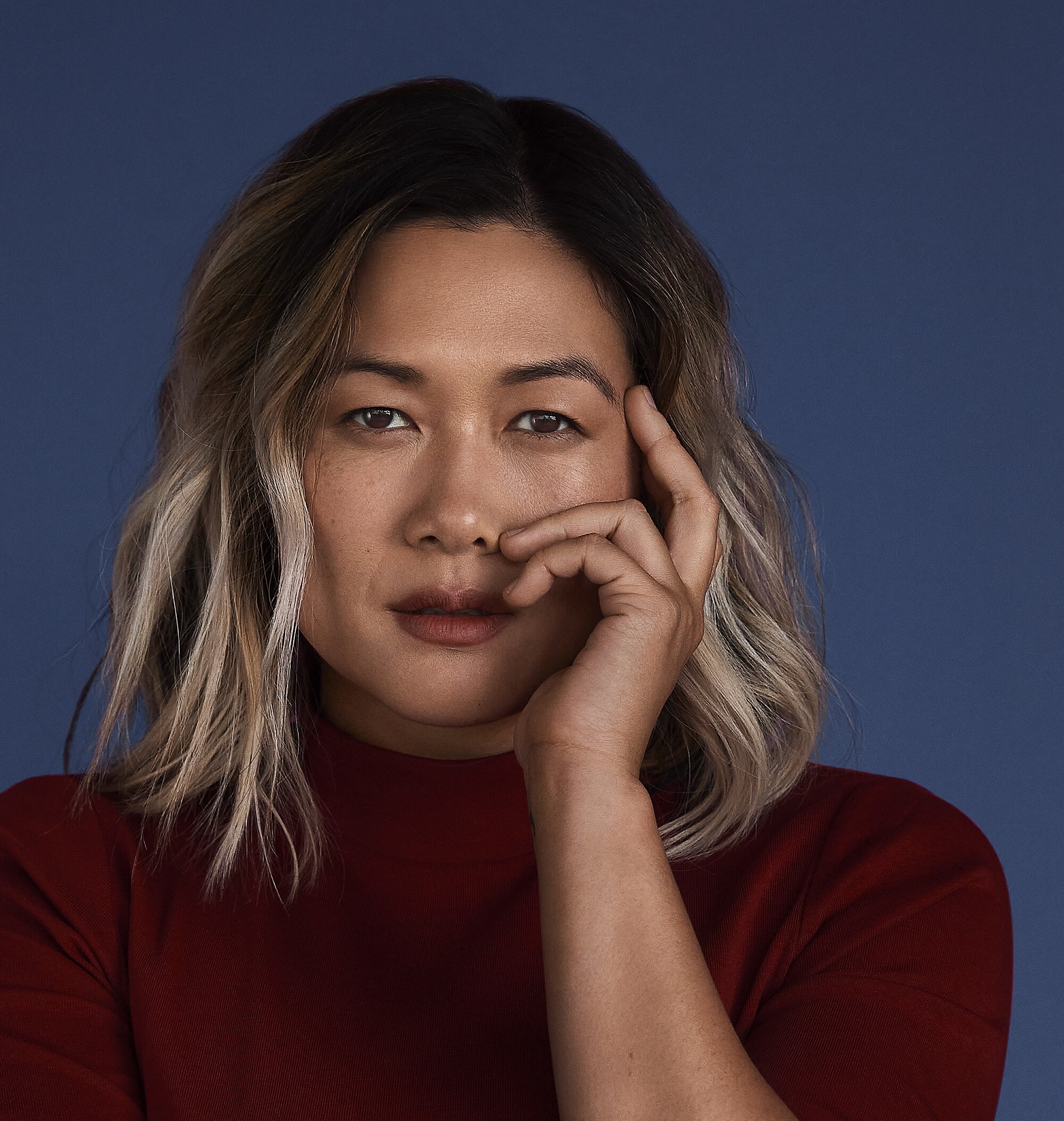
MILCK: INTERVIEW


by emily harris

photo by eric williams

photo by eric williams

Artist, and more importantly, activist MILCK is using her creative outlet to shed light on our current political climate. Her latest release, “Somebody’s Beloved,” was written in the midst of and in reverence with the Black Lives Matter Movement. Processing the world around her with songwriting, MILCK has created one powerful anthem after another. Using her platform to lift others up, MILCK is redefining what a platform can do for supporters, not just the artist.  

Congrats on your newest single, “Somebody’s Beloved!” Can you talk about the inspiration behind this song? 

MILCK: “Songs are a safe haven for many of us to process life. As Breonna Taylor, Ahmaud Arbery, Tony McDade, and George Floyd’s murders sparked a global uprising, I sat with the fact that I am both a beneficiary of proximity to white privilege, while also a victim of systemic racism. 

As I started deepening my knowledge, I came across an interview with Tamika Palmer, Breonna Taylor’s mother. Her words prompted me to write the first verse of the song, which I then brought to Bipolar Sunshine.  

As I type this, Tamika Palmer has gone over 200 days feeling her daughter’s absence, while demanding justice daily. I think about the countless families that have carried on, with their beloved’s names in their hearts. 

My hope is that ‘Somebody’s Beloved’ will contribute to the conversation around systemic racism by honoring our beloved.  We will also be launching The Somebody’s Beloved Fund to support seven local organizations working towards racial justice.”


What was the thought process behind collaborating with Bipolar Sunshine and a choir on this track? 

M: “Bipolar Sunshine co-wrote ‘If I Ruled the World,’ my pre-pandemic single [laughs], which was released in February of 2020.  He had written the hook of that song, and I ended up finishing those verses with Ido Z and Simon Wilcox. I remember Bipolar Sunshine being very thoughtful on who he would allow to use the hook. I liked that he was discerning, and particular about how his words were transmitted into the world. 

When I wrote the verses to ‘Somebody’s Beloved,’ I knew I wanted to go to him, as I knew the song was bigger than me, and I wanted to round out the perspective. I didn’t want to put pressure on him, as this was a very charged time in politics and culture, so I lowkey slid into his Instagram DM’s and sent him some voice memos. I told him that if he truly connected with the song and had interest, I’d love to finish it with him, and learn from him, as a Black man, what else we could say in this song from his unique perspective. I also told him that there was no pressure in replying. I was so nervous to ask, because I know it’s an intense subject matter, and not all of us have bandwidth to tackle these topics. However, Adio showed up, and the Zoom writing session was so fun. We wrote the chorus very easily, and it was a powerful experience for me.”


Can you talk about the recording of the music video for “Somebody’s Beloved” as well? 

M: “To better tell the visual story behind the loss of loved ones from systemic racism, I teamed up with One Family Memphis Foundation, an organization geared towards uplifting the predominantly Black community of South Memphis through nature, recreation, filmmaking, and after school programs. 

I had met some of the beautiful people of the One Family Memphis Foundation while performing at the Mountain Film Festival in Telluride. One particular member, Jarmond, encouraged me to check out Memphis when I had the chance. His stories and perspective were so powerful that the idea of going to Memphis stayed with me. I ended up going to visit in 2019, and became friends with some of the staff. 

I decided to send over my song to some of the One Family Memphis team, and we started ideating. Elisha Jewell, Chris Dean, Malik Martin, and Josh Cannon started sharing their perspectives and ideas. Some of them have unfortunately lost their own beloved to issues fueled by systemic racism. I decided that my job would be to find the funding to create the story they would feel proud of. 

These four storytellers worked hard under the mentorship of Tom Shadyac, and created a narrative music video that supports their perspectives of what it feels like to have personally lost a beloved to issues fueled by systemic racism. We were able to get some of the community members, Vermico Smith and her daughter Minah, to be the lead actresses in the piece. Vermico herself lost her son a year and a half ago, and it felt very aligned for her to play the mother in this video. It was truly an honor to witness her tell the story with such power. I couldn’t be more proud of what we’ve created.”


This single follows your global anthem “Quiet.” How did it feel to have this record go viral after the inaugural Women’s March?

M: “It was surreal, as the word ‘viral’ really felt like a word that was left for the cool, hip, sleek, internet savvy human beings. To see that something so organic and emotionally charged could go viral reminded me that the truth always prevails.”


It was also named Billboard’s #1 protest song of the year! Can you talk about how you found out? 

M: “I think someone on my management team sent me the article, and I was thrilled! To not only be listed on a publication I have revered for years, but also for that specific category. I got to break so many stereotypes for women, and for Asian women. We are so often seen as demure and compliant. I love that in one song I was able to break free from those preconceived notions.”


As both singles were written during the rising of the sociopolitical climate, how has music allowed you to combat the injustices in the world?

M: “Songwriting has always been my way of processing things that I have a difficult time talking about in person. Ever since I was young, I would use the process of meticulously sculpting words to convey my feelings as a form of therapy. I leaned on my songs to help me process the world around me. 

Music allows me to cathartically release tensions and confusions, and they naturally alchemize into something more beautiful than the chaos that pushed me to run towards the piano. 

Racial justice has been at the forefront of many of our minds, and as an Asian American woman, I have been both a perpetrator and victim of racism. I have benefitted from my proximity to white privilege, and I also know very well what it feels like to be othered because of my race. As I do more reading of Adrienne Maree Brown, Audre Lorde, James Baldwin, and Ijeoma Oluo, my emotions center around the fact that violence against Black lives impacts my life directly. These are my Black brothers and sisters, and I am in such awe of the strength and beauty that lives within the Black culture, even amidst such an unjust history in the US. All my emotions started swelling as I learned more and more. So the best way for me to keep moving forward is to process my respect for the lives lost through writing this song, ‘Somebody’s Beloved.’” 

 

How has being an Asian American woman defined the way you approach the music scene, especially since you write such socially aware songs?

M: “Of course, I must preface by saying that this is not the experience of all Asian Americans, but I can say that I’ve seen this as a common thread between many other Asian American artists in my unique community.

That being said, I have had to become very persistent and patient with myself because Eastern and Western philosophies have a lot of differences, and especially in the music industry, those philosophies can be at odds with each other. For example, I was taught ever since I was young that my elders know best, and that reverence and following tradition is honorable and respectful. However, music feeds off of fresh and distinct voices that refuse to follow the herd. I have had to retrain myself to shed some of the traditional values that I was raised on, in order to allow for the raging voice within me find itself.”


Can we expect more poignant-topic songs soon? 

M: “Oh, you know it. I am currently exploring topics surrounding family, and the generational and cultural gaps that haunt me. I’m tackling the fear that if I walk closer to myself, it could mean that I walk further from my family. However, as I keep writing about it, and leaning into brutal honesty about myself, and my loved ones, I am realizing there is the possibility of surrendering, and being okay with disapproval or disappointment. The only person I need to make sure I don’t betray is myself. If I can stay brutally loyal to my truth, I must trust that the forces of love and healing will come.”


FIND MILCK ONLINE

WEBSITE TWITTER INSTAGRAM FACEBOOK