
by abby crabill
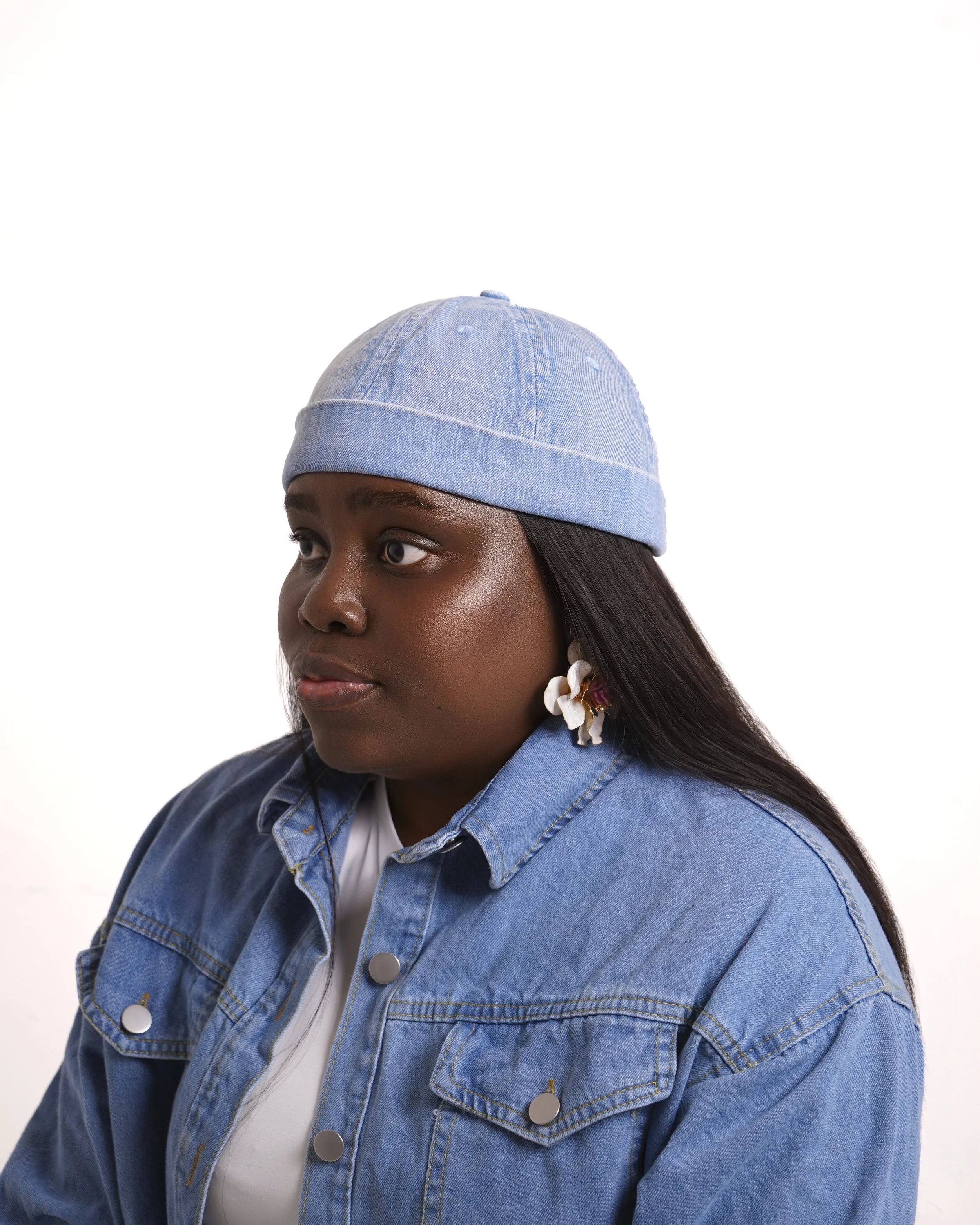
photo courtesy of yewande akinse
When it comes to diving into your passions, author Yewande Akinse is all too familiar with the experience. With a background in law, Yewande is also a strong force in the creative world as well. Despite her work being published in several outlets, she defines success as leaving a lasting legacy through your work. Yewande has proven that she is one to watch in whatever task she sets her mind to; and her poetry will continue to inspire others throughout generations.
Besides writing, what other creative outlets are you passionate about? What makes them special to you?
Yewande: “Beyond writing, I am deeply drawn to illustration and photography. While I do not practice either professionally, I have immense respect for both art forms and the ways they capture emotion, memory, and meaning. Illustrations have the power to bring stories to life with imagination and wonder, especially in children's literature, where a single image can speak as powerfully as a page of text. Photography teaches me to pay attention to light, composition, and fleeting moments that might otherwise go unnoticed. Together, these creative outlets sharpen my eye for detail and continually inspire the way I approach storytelling as a writer.”
You have several irons in the fire with projects from many different areas of focus. How do you keep it all balanced when it starts to get too overwhelming?
Yewande: “I have learned that balance comes from clarity of purpose rather than trying to do everything at once. Although my projects span different fields, they are all connected by a common thread: creating meaningful impact through ideas. When I begin to feel overwhelmed, I step back, identify the highest priority, and give it my full attention before moving to the next task. I also make time to read, take long walks, and spend time with my family, which helps me return to my work with a fresh perspective. Sustained creativity requires both discipline and deliberate periods of rest.”
Do you think your background in law has influenced your writing? If so, how?
Yewande: “Absolutely. My legal background has shaped the way I think, research, and write. The law taught me to pay close attention to language, because every word carries weight and meaning. It also trained me to approach complex ideas with structure, precision, and empathy for different perspectives. At the same time, poetry has taught me to embrace ambiguity, emotion, and imagination. Holding both disciplines together has strengthened my voice as a writer. I strive to create work that is carefully crafted yet deeply human, balancing clarity with feeling and intellectual rigor with the emotional truths that connect us all.”
What are three "must-have" author items that you keep on you when you're writing?
Yewande: “Three things rarely leave my side when I am writing: a notebook, a good pen, and a camera. My notebook is where poems, observations, and unexpected ideas first take shape before they find their way onto a screen. A reliable pen makes the act of writing feel intentional and personal. My camera, often just the one on my phone, helps me capture moments, landscapes, colors, and small details that later inspire my work. Together, these simple tools encourage me to stay observant, curious, and ready whenever inspiration arrives, whether at home or while walking through the city.”
What part of the writing process is the most difficult for you? And the easiest?
Yewande: “The most difficult part of the writing process is knowing when a piece is truly finished. I can always find another line to refine or another image to strengthen, so learning to let go requires discipline and trust. The easiest part is the beginning. I love the moment an idea arrives, often sparked by something I have seen, read, or experienced. Drafting feels like discovery, where curiosity leads the way without judgment. Revision demands patience and precision, but the first draft is where I feel most alive, following language wherever it is willing to take me.”
What are your favorite themes to explore in your writing? Why?
Yewande: “I find myself constantly returning to the themes of identity and the color green. Identity fascinates me because it is always evolving, shaped by memory, place, relationships, and the stories we tell ourselves. I enjoy exploring how people grow into who they are, often through moments of uncertainty or change. Green, for me, represents far more than a color. It symbolizes life, renewal, hope, and humanity's relationship with the natural world. It appears throughout my work as both a visual motif and an emotional language, reminding readers that growth is rarely linear but always possible with care and time.”
If you had to write something from a genre that's different from your usual style, what would you choose? Why?
Yewande: “If I had to write in a genre outside my usual style, I would choose memoir. I have always admired the courage it takes to tell one's own story with honesty and vulnerability. A memoir invites writers to examine not only what happened but how those experiences shaped who they became. I would enjoy the challenge of reflecting on memory, identity, resilience, and transformation through a deeply personal lens. It is a genre that demands authenticity above all else. I think writing a memoir would push me to grow, both as a writer and as a person, while offering readers genuine connection.”
Where do you pull inspiration from when writer's block starts to set in?
Yewande: “When writer's block sets in, I stop trying to force the words. Instead, I return to the world around me. I take long walks, visit parks, observe people, and spend time in nature. I also spend time enjoying the handheld game console I recently purchased. Reading poetry and children's books also reminds me why I fell in love with writing in the first place. I often revisit my notebook where I collect small observations, conversations, and images that never made it into a finished piece. More often than not, inspiration returns when I become curious again. I have learned that creativity cannot be rushed, but it can be patiently and intentionally invited back.”
In your opinion, what makes a successful writer?
Yewande: “To me, a successful writer is someone whose work transcends generations. Awards, sales, and recognition are meaningful, but lasting success is measured by whether readers continue to find truth, beauty, and comfort in your words long after you are gone. The greatest writing speaks across time because it captures something fundamentally human. It invites each new generation to see itself in the story while discovering something new about the world. I aspire to write work that endures, not because it is fashionable, but because it remains relevant, honest, and deeply connected to the shared human experience.”
Do you have any words of encouragement for aspiring writers?
Yewande: “I hope that you keep writing. I hope it sets you free. Those words capture everything I wish for aspiring writers. Do not wait for permission, perfection, or publication before you begin. Write because there is something only you can say in the way that you can say it. Trust that every page, even the difficult ones, is shaping your voice. Read widely, stay curious, and embrace revision as part of the craft. Most importantly, remain honest with yourself. The world does not need another imitation. It needs your perspective, your courage, and the stories only you can tell.”
For those that would like to learn more about you, what projects would you recommend they check out?
Yewande: “If someone wanted to understand my work, I would encourage them to begin with The Rise and Fall of Rhymes and Rhythms. Of all the projects I have written, it is the one that captures my heart most completely. The collection reflects not only my love for poetry but also my journey into motherhood. My name, Yewande, means ‘mother has returned,’ and I carry that meaning with great pride. Writing for children feels like an extension of that identity. Through playful language, rhythm, and imagination, I hope to nurture curiosity, kindness, and a lifelong love of reading in the next generation. The book represents my belief that literature can shape how children see themselves, each other, and the world around them. If my writing leaves any lasting legacy, I hope it is one that inspires young readers to dream boldly, care deeply, and grow into compassionate stewards of our shared future.”