
by martina rexrode
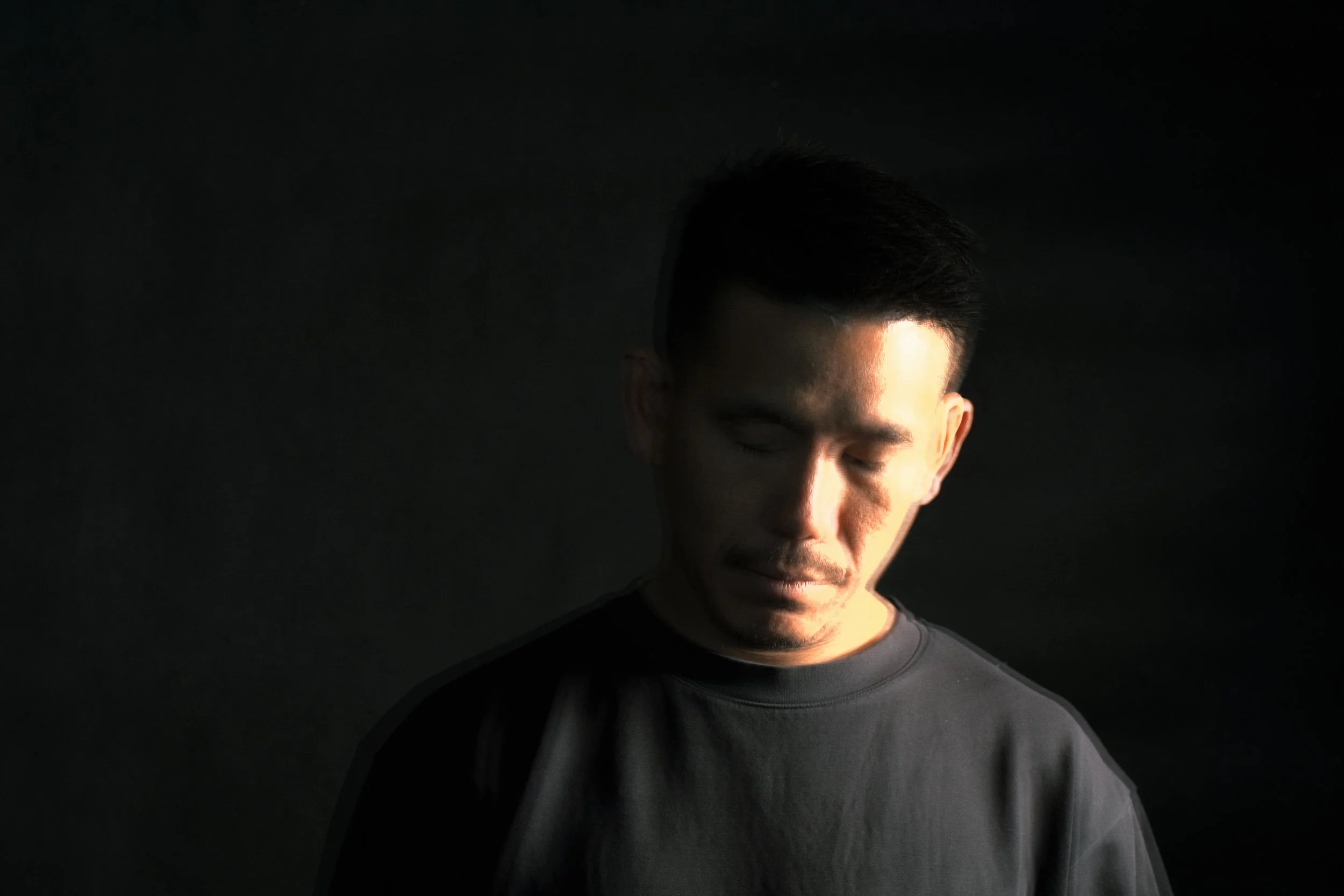
photo by toby shain
Scotland-based Hong-Kong artist Adrian Leung, known musically as Drexler, is a storyteller. With just a piano, atmospheric production, and the memories that are near and dear to him, Drexler creates music that any listener can use to fill the silences they face. His latest single, “Prague,” is a beautiful piece that speaks to the reversal of care that many people face as they adapt to taking care of their older parents. Unclear spoke to Drexler about this single, what his music means to him, and his upcoming album, Olympia-5.
How are you feeling about releasing “Prague” to the general public? What do you hope listeners gain from hearing this single for the first time?
Drexler: “I’m really excited about releasing ‘Prague.’ It will be the fourth and final single before my album, Olympia-5, is released. I think each track so far represents a slightly different mood reflected across the album, and ‘Prague’ is no different, with its warmer, optimistic, floating, and dreamy qualities. I see listening to music as a form of escapism, and I hope ‘Prague’ gives people the chance to unwind and reflect, offering them space to let their own thoughts take over while they’re listening.”
Can you describe what this specific track means to you and why it’s named “Prague?”
Drexler: “Each track on the album is named after a memory I have of my father. Some are named after places, others after things he’s said to me, and some after objects that hold memories within them. ‘Prague’ reflects a holiday I took with my father in 2024. I don’t recall ever going on a holiday with just my dad before, and as an adult I’ve rarely had the chance to spend that much quality time with him. The trip holds mixed emotions for me, the city itself is absolutely stunning, and we had a lovely time there. On the other hand, symptoms of his lymphoma returning were noticeable, which made parts of the trip difficult, especially as he struggled physically to walk long distances.”
What made you choose “Prague” as the final single from your forthcoming album, Olympia-5?
Drexler: “I’ve been really lucky to work with some incredible filmmakers on this project, all of whom have generously given their time and shared their work to accompany my music. When Hannah shared her film with me, which she shot on a recent trip to New York, I was so blown away by it that I knew I wanted to release it as the final single.”
This single is accompanied by a stunning short film directed by Hannah Papacek Parker. How do the visuals and narration achieve the vision you had in mind when creating “Prague?”
Drexler: “When I’m not working on my Drexler project, I write music for film and TV, and I really love the collaborative aspect of filmmaking. For the music videos accompanying this record, I wanted to give the filmmakers complete creative freedom to make whatever they wanted. I’m a strong believer that once you release music into the world, it’s no longer entirely yours. I want listeners to make it their own and find their own meaning in it and I presented the track to Hannah with this in mind. Hannah and I spoke about the record and its themes of care and being away from home, the guilt that can come with that, as well as the lack of belonging you can feel when moving between places. From there, she brought her own personal story into the film, returning to the US for the first time in 16 years and reflecting on family roots that had remained untouched and dormant. In that sense, the film and the music tell separate stories, but they are deeply connected in their fabric.”
What does your typical creative process look like? When playing what would become the final versions of each track on the album, how does improvisation help you get to where you need to go?
Drexler: “The creative process for Olympia-5 was very different from my previous releases. I was working under time constraints while my father was in hospital, and the idea was to send him lots of music quickly — to fill his hospital room with a warmer ambience and to let him know I was thinking of him, rather than constantly asking whether his health had improved or what the doctors had said that day. Because of that, I leaned heavily on the piano, as it’s an instrument I can write and record with quickly. The music was entirely improvised, which gives it an imperfect, searching quality. I was sitting at the piano thinking, reflecting, and processing so many things about my father — what life might be like without him, happy memories, and moments of regret. Looking back, in a strange way this approach feels like my thoughts connecting internally and then my fingers reacting to them on the piano.”
Olympia-5 was born out of a response to your father’s relapse with lymphoma. How has creating, playing, and listening to music helped you through difficult moments like this? How do you hope to help listeners with your own music?
Drexler: “Music has always been that for me — something that comforts me, explains things, and helps me release feelings I struggle to put into words. This album in particular has been especially helpful because it’s supported me through different stages of my father’s illness: from the initial idea of sharing the music just with him, to now releasing it publicly. He’s even been sending me old photos to share and filming things from his hospital room. It’s given us something to share together and has helped turn the experience into something a little more positive.
The response from my friends and family has been incredible. I think a lot of people can resonate with the ideas behind the music — many people my age are caring for their parents while also raising children of their own. Many are living far away from their families and struggling to balance what they want for themselves with being there for others. I hope the music gives people space to reflect on similar emotions and experiences in their own lives.”
What would you describe as the ideal listening environment for someone about to press play on Olympia-5 for the first time?
Drexler: “Ideally, the album would be listened to on some lovely speakers or a great pair of headphones. My mix engineer, Bobby Williams, really brought a lot of the pieces to life by adding gorgeous ambiences that complement the intimate sound of the recordings. Some of those details need to be listened to carefully. I think this kind of instrumental music works best when you can listen with focused intent, perhaps on a walk in nature, or lying down somewhere dark and quiet.”