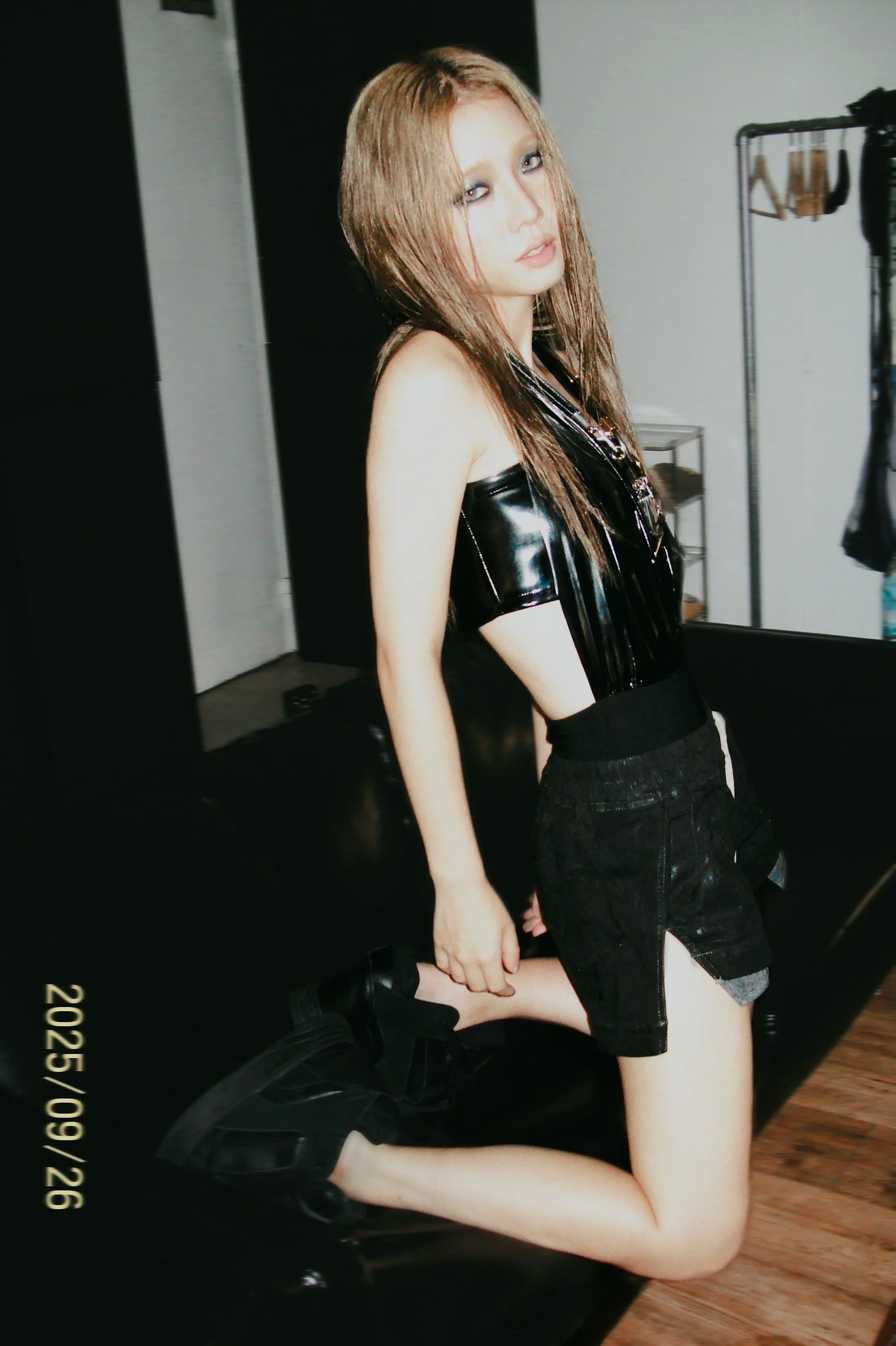
TARANEH: INTERVIEW


by anne-elise tidwell
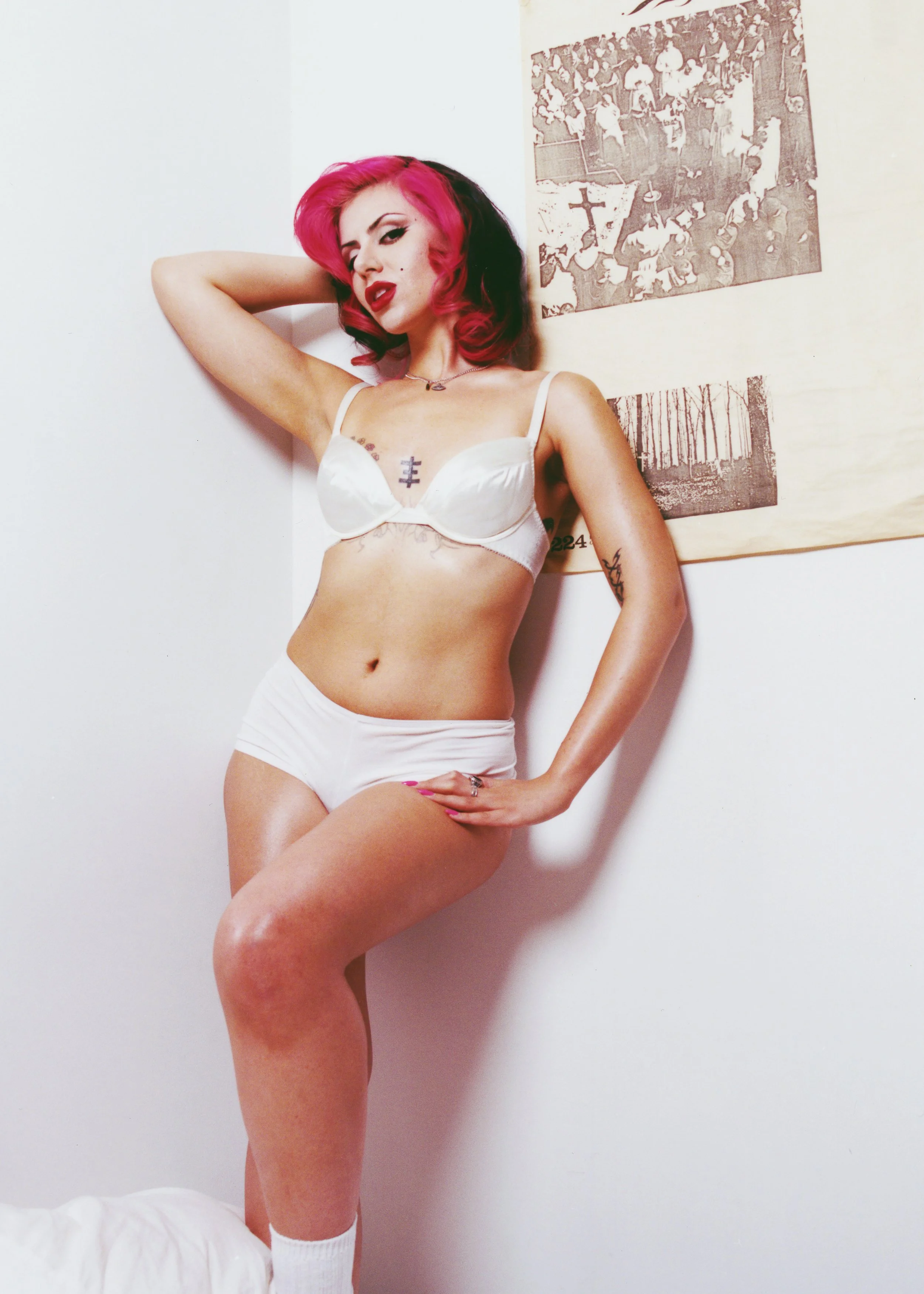
photo by gabrielle ravet

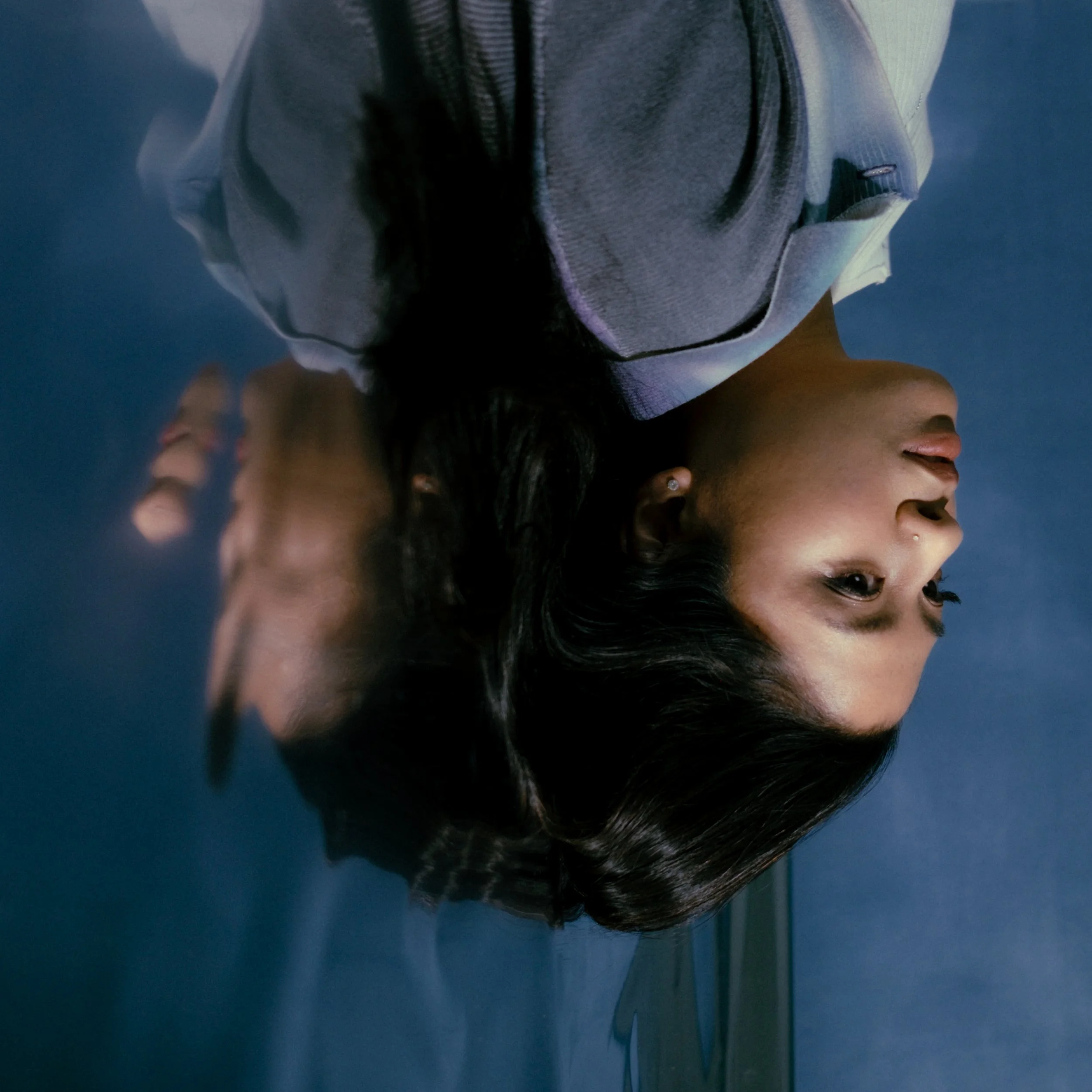
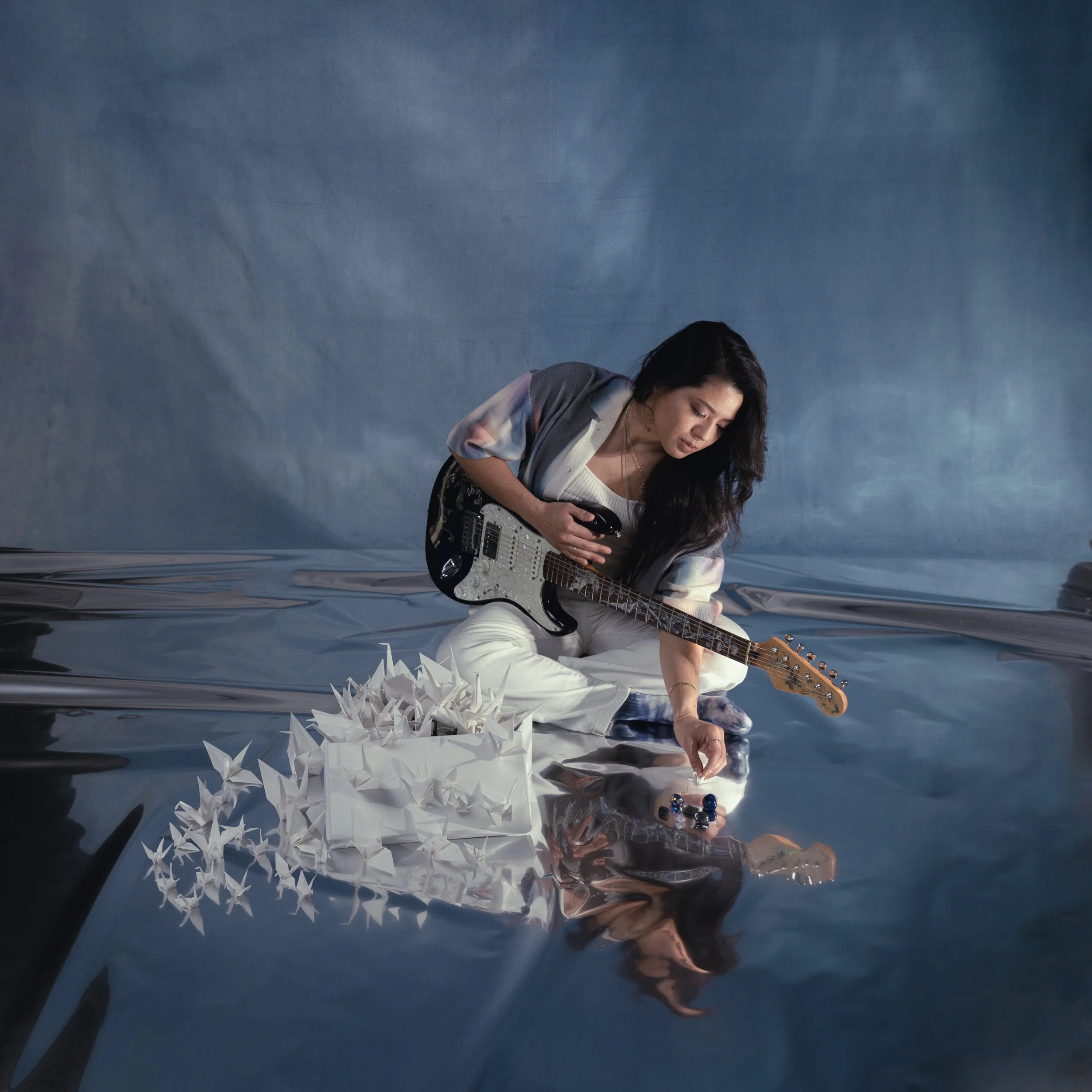
Unobsession, the latest record from NYC-based rock artist Taraneh, confidently embraces her artistic evolution. While she began her music journey recording alone in her bedroom, this album allowed Taraneh to tailor her sonic identity alongside her band, resulting in a gritty, rock sound that she said authentically channels the energy of her live performances. Unobsession stands out in her discography as it merges raw rock power with a bold musical intensity that pushes her sound into exhilarating new territory. Unclear had a conversation with Taraneh about the spiritual liberation that came with releasing Unobsession, her unwavering dedication to putting on a high-energy live show, and what this chapter means to her, both as an individual and as an artist.

You mentioned earlier this year that you were beginning to let go of some persistent struggles that you had saying: "Now feels like a time of old wounds surfacing to be released once and for all. Perhaps the theme of this year even. Healing and releasing things that must be and are now cleared for us to enter our next chapters of abundant new beginnings.”

Do you feel like the process of making your newest album, Unobsession, helped you achieve that clear conscience? Does it mark a new beginning for you, not only as an artist, but also just as a person existing in the world?

Taraneh: “I think it’s really interesting because I feel like I didn’t achieve some sort of release through the album making process. It was more so about documenting and chronicling my experience while processing and experiencing a lot of different things.

I always view releasing an album as kind of having a double meaning. When putting something out into the world, you also release and surrender whatever that work was for you as it takes on a life of its own.

I think since the album was released, I’ve been able to actually kind of heal, process, and release a lot of themes of the album for myself, which I think is a beautiful thing that music can do for us. It lets us process, analyze, document and dive deep into certain themes or experiences in our life. Once the music is finished and we put it out into the world, then at least for me, I’m able to really move on from some of those experiences or concepts or cycles, whatever they may be.”

You were a full-time journalist before focusing on your music career. I was wondering how you think your work as an investigative reporter influenced your creative process or artistic direction?

Taraneh: “I wouldn’t say that my reporting has influenced my music or creative focus. I would say that I was reporting on what I was inherently drawn to, and so I think that’s part of my fingerprint, in a sense. My interests shine in whatever I do and I think that’s what it really comes down to. I never really thought to analyze the parallels between my reporting and my music, but the parallels are obviously there –– they’re just not so intentional. I think it’s more of a subconscious thing.

However, a lot of what I learned about getting work out and moving on was from being a journalist and working with tight deadlines. You have to relinquish control at a certain point or else you just won’t get anything submitted. I think that is a subconscious thing that journalists will forever do, even if they aren’t actively practicing as a journalist. What we learn is in us forever. [laughs]

Having a reporting background can also inform positively in any venture in the sense that you know how to articulate yourself and you know how to tell a story. I think a lot of things boil down to storytelling in their essence. Being able to have a very clear narrative and being able to articulate that for yourself and for another audience is very important.

At the same time, I love to leave a lot up to interpretation. You don’t see me explaining the intricate details of everything, but everytime I release an album or single or whatever, I always write out the thesis of what that means to me. I’ve never released those pages, but I have my own archive. That practice for me is really helpful in terms of contextualizing what a work means for me.”

I personally think you really thrive as a rock artist, which is the main sound of the new record. You mentioned once before how creating a live band inspired you to lean more into that vibe you explored on your previous album, “New Age Prayer.” Would you have expected yourself to go this direction before?

Taraneh: “Honestly, I didn’t expect it. But I’m not surprised. I think that each stylistic phase I've gone through has just happened so organically. I released both Grab Bag and A Fleeting Feeling before I even played a live show. New Age Prayer was the first album that I released once I started playing live –– solo –– but still playing shows.

I think the sound of New Age Prayer came from this very organic synthesis of me being on so many mixed-genre bills and wanting to create music that was a bit more conducive to a live performance. My back catalogue at that point had been very slow and didn’t necessarily include songs I wanted to perform live, at least not in a club setting, which was a lot of the shows I was playing at the time.

I feel like my back catalogue is very intimate and is the kind of music you should listen to alone, at least to me. That’s my childhood music. But I’m not going to tell anyone how to listen to my music. New Age Prayer took my music a step further, but it still had some residue of the old sound, especially on the later half of the album. That’s not to say that Unobsession is void of intimacy, but it’s different. I wasn’t recording it alone in my bedroom, I was recording it surrounded by five guys in a studio.

We toured with a hardcore band, which is not our sound at all, and we adapted older songs to fit that kind of live performance. It was a really fun and auspicious opportunity for us to switch gears and get a bit heavier with the sound and get a little more intense. I think I was able to expand my vocal range in that as well and to try out things I otherwise wouldn’t have.

When we came back from that tour is when we started writing Unobsession, and it just happened so naturally. I’m not surprised the sound went where it did. Now that Unobsession is out, this direction is what resonates with me the most in terms of where we’re going from here. I love what I’m doing now, but there are some elements of intimacy from my back catalogue that I want to bring back, so I don’t know. That’s all I’ll say for the next chapter.”

You have a lot of spirituality motifs woven throughout your artistry like your “type yes to affirm” website and Instagram chat. Do you have that sort of spiritual connection and does it manifest in your artistry?

Taraneh: “I would say my spiritual practice is one of the most important things to me just as a person. I was raised Muslim, and not in a super dogmatic way, which I am really grateful for, but I definitely had to find my own way within it. There is a lot that doesn’t resonate with me. I would say I’m culturally Muslim, but my spiritual practice is pretty separate from Islam as a whole. I feel like I learned a lot from my dad about having a personal connection with the divine.

College was when I really started to dive into spirituality, and I think since then I have been able to take on the world in a way that I previously was not able to do –– I wouldn’t be here without it. Asking for guidance and listening to my intuition has been my guide in a very strong way. I love to consume different forms of spiritual content, even if it doesn’t relate directly to my practice. It’s just kind of one of my niche interests. I think that is why it comes through in all of the branding.

The phrase ‘Typeyes’ is a bit tongue-in-cheek, referring to those TikTok videos that encourage an audience to type ‘yes’ to affirm readings like ‘you’re going to gain a large sum of money’ or ‘he’s coming back to you.’ I think there is definitely a deeper meaning that I haven’t quite parsed out yet, but it’s fun and it’s funny and I enjoy it.”

Your Bandcamp page says that you have been making music since 2015 and you mentioned before that you even sat on some of your album covers for years, yet you didn’t release anything officially until 2020. What made you finally decide to pull the trigger and release your music on streaming platforms?

Taraneh: “I started writing when I was thirteen and started releasing under a name I still haven’t told anyone. Grab Bag was released in 2020, but I had been working on that album for five or six years. I think the time was just right and I honestly think that’s all there is to it. I was able to get over the perfectionist approach and be like, ‘I just need to release this and move on to the next thing,’ which is how I approach my work in general.

I always think back to the five year gap I had. I was growing up and I went to college and all of these different things, so I really think I had a lot of life to live before I could release that album specifically. But I will always remember that five year lull –– and that won’t happen again because this is what I do for a living, so it’s a little bit different.

Things can always be better, but I always tell myself –– I really do believe this –– that things will be what they’re meant to be. I made Grab Bag on GarageBand and it was just me and a guitar. It was so DIY, and it could have been better. I could have been a more skilled musician. I could have had better production skills. I could have had more people in on it. Whatever.

But that album is exactly what it’s supposed to be, and I feel that way about all of my albums. I always tell myself that. Even with Unobsession I think that the album is exactly the way that it’s supposed to sound. I know it’s perfect. I know what it’s meant to be. I always look back [at my discography] and I’m like, ‘Yes. Absolutely. This is what it’s supposed to be.’ I think this is something that a lot of artists experience. The procrastination that comes from perfectionism can be really debilitating if you let it take over.

The point is to get it out, release it, and move on. That’s how we grow and move forward and get better and not get bogged down by the details.”

I read you started making music at 14 and posting to thousands of followers on Tumblr. I was curious how the evolution of your artistic direction has evolved since? Since having a band? How do you think your mindset compares now versus when you first started building your identity on Tumblr? Who are the two Taranehs?

Taraneh: “There are so many Taranehs. I feel like I am always having a transformation in my sense of self, but there are obviously core elements that are still there.

But now versus Tumblr, the world is different. I am different. I’ve grown up in a lot of ways. There’s something really special about the anonymity of Tumblr, about being able to embrace my creative identity. Having a space to separate my physical appearance and other kinds of visual features of being a person was a really valuable experience. It provided a low-stakes way for me to share my creative identity with the world, and that is something I would never take for granted. It’s really informed the way I now move throughout the world and the way I’m able to share my creative identity with others.

My music has evolved so much as a function of time and as a function of my experiences, which is what I think it should be. I always listen back to my old music at least once a year to remind myself where I came from like, ‘Okay let’s see where we’ve been, where we are, and where we are going.’”

What can those who are interested in attending phase two of the Unobsession Tour expect from your performance?

Taraneh: “You can expect a great time.

When I see artists I've only heard on recordings live, it all makes sense. I think that’s a universal experience and my live show is no exception. Putting on a performance, putting on a show is very important. I hate going to concerts that are low-energy, where no one is really doing anything, where it sounds exactly like the record. I think putting on an engaging performance is part of what makes performing exciting and fun to me. If I’m having fun, then the likelihood of other people having a good time is much higher.

If someone wants us to play near them, come to wherever the closest show is and show up. The more people who attend our shows, the sooner we can play smaller markets.”
 

FIND TARANEH ONLINE

WEBSITE INSTAGRAM TWITTER FACEBOOK


JUNGHOON: INTERVIEW


by martina rexrode

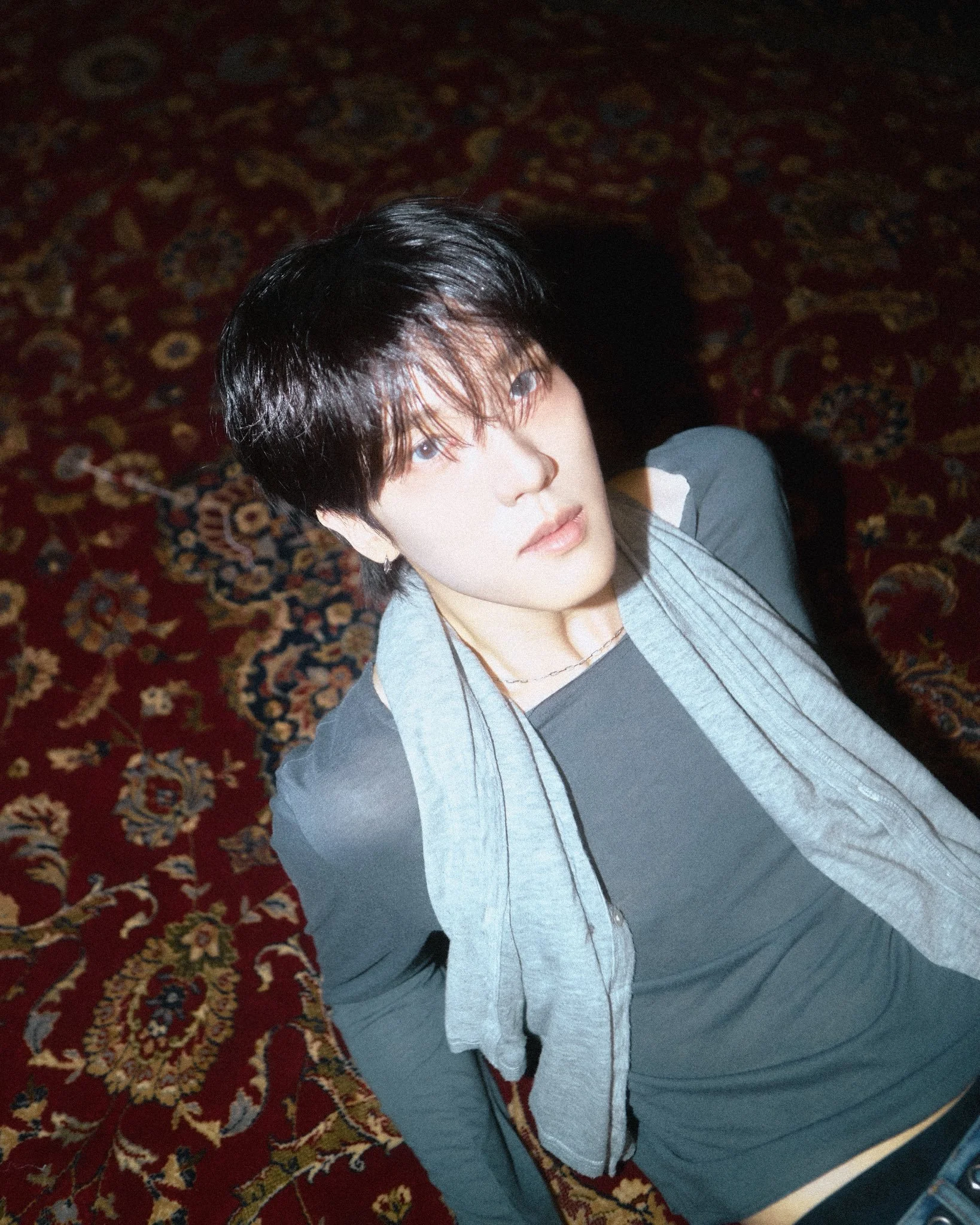
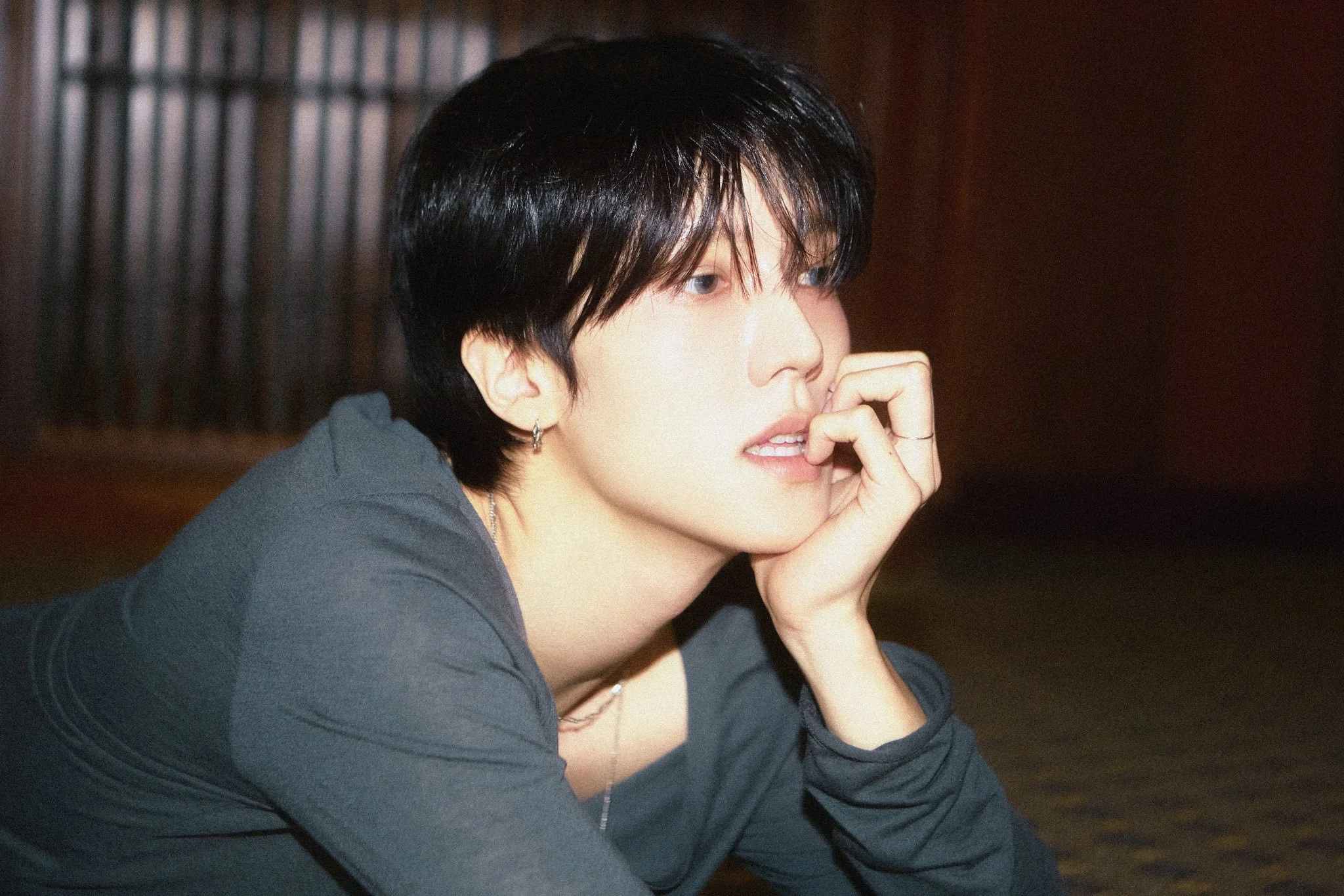
photo courtesy of junghoon

Within the world of K-pop, it’s common for idols to release solo music while still being active in their respective groups. This often allows for fans to get a glimpse into the more personal lives of individual idols, proving themselves by being able to command a stage on their own rather than accompanied by their fellow members.

Junghoon of OMEGA X is no stranger to the difficulties that come with making it in an industry so oversaturated with incredible talent. Despite that, he confidently released his first two solo tracks, “Belong” and “Slowly,” and celebrated this long-awaited solo debut with a release party attended by fans and peers. Unclear spoke to Junghoon about what this debut means to him, where he finds inspiration, and what his intimate release party was like.

How long have you thought about the possibility of releasing music as a solo artist? What made now feel like the right time to release these two tracks together?

Junghoon: “Releasing music as a solo artist is something I’ve dreamed of ever since I first started wanting to become a singer. In fact, before I even dreamed of becoming an idol, I dreamed of being a solo artist, and that was my original motivation for starting this career.

As for why I released these two songs at this time, my first solo project was planned around the fall and winter seasons. While thinking about what kind of music would best match that mood, I naturally gravitated toward songs that fit the sense of loneliness often associated with autumn. That’s how I ended up pairing these tracks and deciding to release them as a single album with two tracks.”

Can you describe the meanings behind both “Belong” and “Slowly”?

Junghoon: “First, ‘Belong’ is a gentle song that captures a moment of emotional release of a man who has lived through a lot of pain and finally finds stability in someone’s arms, while realizing where he truly belongs. The second track, ‘Slowly,’ is a soft and romantic song that reflects the fresh, fluttering emotions of falling in love for the first time.”

How does this debut feel different from debuting in a group both emotionally and creatively?

Junghoon: “When I write music for a group, I naturally focus on highlighting each member’s individual strengths. With my solo songs, though, everything could be centered entirely on my own color, and I was able to fully tailor the emotions and techniques to what felt most natural and optimal for me.”

How do you find inspiration for songwriting and production? What areas of your life do you find the most inspiration in?

Junghoon: “I usually get inspired by listening to songs that I personally think are great. I am pretty open to any genre, so I tend to listen to everything. And when one particular song really hits me, I let that feeling guide my work.”

Who are some of your favorite artists to listen to right now? Were there any artists who influenced the alternative R&B sound your solo tracks have?

Junghoon: “Personally, the artist I listen to and enjoy the most is Justin Bieber. For this album especially, I’d say I was heavily influenced by the sounds of Justin Bieber and keshi.”

I love that you’re sharing these songs with fans at a release party in Seoul. How have you prepared for this event and what were you most excited about?

Junghoon: “This event actually started through conversations with fans on a messaging app called Fromm, which we use to communicate. A lot of fans told me they wanted an offline event, and once I realized that, I immediately started looking for a venue and preparing. At first, I was thinking of doing something small and casual, like performing at a pub, but as the planning progressed, the scale naturally grew. In the end, I chose a standing concert venue where everyone could really move, enjoy themselves, and have fun together.”

photo courtesy of junghoon

What can you tell us about unreleased solo music that you performed at the release party?

Junghoon: “Not all of the songs I performed are guaranteed to be released in the future, but I wanted to show that I had been working hard on music even during the hiatus. I actually have a lot of songs, so narrowing them down was really difficult. I spent a lot of time thinking over it, and in the end, I only selected songs that I truly felt confident about for the performance.”

What was the energy like at the release party? How did the audience react to seeing your music performed for the first time?

Junghoon: “A lot of fans came to the release party, along with industry professionals and fellow musicians, and thankfully, everyone told me they had a great time. I was especially happy and proud because fans really loved the unreleased songs that I personally care a lot about. Overall, it was a very satisfying and meaningful performance for me.”


FIND JUNGHOON ONLINE

INSTAGRAM


ALINA LY: INTERVIEW


by martina rexrode

photo by mk sadler

When any artist releases their debut album, it often comes with the pressure of presenting their unique sound in a cohesive, longer form, something taken for granted in today’s music landscape. For Alina Ly and her debut album, Shoebox, it was a decade-long journey of self-awareness and vulnerability. After the album’s release in November, Unclear got the chance to speak to Alina about Shoebox, the feelings and stories behind it, and what’s to come.

First of all, I want to wish you a belated congratulations on the release of your debut album, Shoebox! I just finished listening to it for the first time and already can’t wait to revisit it. How have you felt after putting such a vulnerable and cohesive piece of work out into the world?

Alina: “Thank you so much. Honestly, I felt a real sense of catharsis once I finished making the record. I took some time away afterward, spending a couple of months in Portugal, and with some distance from the mixing process I listened to the album while driving along the coast. In that moment, I felt content that I had done what I set out to do, which was to make this album exactly as it needed to be and, most importantly, for myself. Releasing something so personal into the world brings a different kind of vulnerability. Creating the work is one thing, but allowing people access to such a private emotional space inevitably tugs at a few nerve endings. But once it was out, and especially after the launch show, which was received exactly as I had hoped, I felt an enormous sense of relief. Now that feeling has shifted into excitement and motivation for what comes next.”

Can you describe Shoebox and what it entails for those who might be about to listen for the first time?

Alina: Shoebox is a haunting and soul-provoking body of work that blends emotional clarity with a kind of cinematic restraint. It traces a path through grief, growth, memory, and the unspoken spaces in between. Each track is like a small excavation, intimate and layered, rooted in a mix of indie soul, ambient soundscapes, and experimental textures.

The album is centered around three singles: the ethereal title track ‘Shoebox,’ the quietly resolute ‘Unscathed,’ and the volatile closing chapter ‘Landmines.’ ‘Shoebox’ grapples with personal loss through ghost-like sonics and guitar layers, ‘Unscathed’ reaches for acceptance without demanding closure, and ‘Landmines’ is a darker departure that closes the record while pointing toward what is coming next. This album is a home for moments I could not process any other way, as with all of my music. I built it layer by layer, sound by sound, but above all else, feeling by feeling.”

I loved reading that the title of this album came from the idea that the songs, for you, felt like writing down your feelings and storing them away like memories in shoeboxes. When did you first conceive of this idea, or when do you remember the album’s loose concept first coming together?

Alina: “The album title came from the title track, which has always felt like the anchor for everything this record explores, and I think that tends to be true for a lot of my songwriting in general. I wrote ‘Shoebox’ during a period of deep exploration around grief, acceptance, and self-discovery. Even before the full tracklist came together, I knew this song anchored the project and needed to be shared. I’ve performed it around the world over the past decade, and it has been a huge part of my own healing journey as well as a lesson in embracing the beauty of vulnerability. If there was anything this record required from me, it was that willingness to be completely open. Without that, it would not have felt worth making.”

Did the one-take live performance of the album alter the way you thought of any tracks? Did any tracks come to life more when played live?

Alina: “Yes and no. Reimagining the album for a one-take performance meant returning to the songs with the same love and care that created them. In many ways that meant not altering them at all, as I wanted to honor the rawness and purity of how they were originally written. But performing Shoebox in one continuous breath also required us to rethink certain elements. We built new segues, transitions, and musical pathways that did not exist on the studio versions while staying true to their emotional core. Watching the songs grow in that space has been beautiful, and many of those elements naturally found their way into our live shows.”

How long had some of these tracks been in the works before Shoebox was released?

Alina: “Some of these songs trace back almost a decade, with ‘Shoebox’ being the oldest. Around 2020, my guitarist Jake Stentiford and I started demoing ideas as I explored a relationship with one of the majors, but ultimately I chose to release everything independently. Anyone close to me will tell you that I move at my own pace, guided by intuition more than anything else. Each song on the record had its own right of passage in evolution, especially over the last five years while I focused on creating my first full body of work. Everything unfolded in its own time, and I believe the project is stronger for it.”

Your tone and the careful instrumentals reminded me of artists like Birdy and Billie Marten. Who are some of your biggest musical inspirations?

Alina: “Thank you, that’s really kind, and I love those references. I'm most drawn to artists who know how to leave space in their music. That sense of careful instrumentation, where nothing is there unless it needs to be, has always resonated with me.

I could list artists, and in some cases that makes sense. Sade has been a powerful reference point for emotional restraint and intention, and producers like Brian Eno and Jon Hopkins have deeply influenced the way I think about space, texture, and atmosphere. I've always been inspired by film composers as well, from the emotional scale of Hans Zimmer to the quieter, more minimal work of Ólafur Arnalds.

Beyond individual influences, what shapes the way I approach music is the idea of holding space — allowing simplicity and silence to carry meaning. Whether it is a song or a score, I am drawn to work where each sound exists because it needs to. That philosophy naturally feeds into my process and sits at the heart of how I make music.”

photo by mk sadler

What’s your favorite part of the creative process (writing, instrumentation, production, etc.)?

Alina: “I love every part of the process. The entirety of it is cathartic for me, especially the most difficult moments, like the initial stage of writing, unraveling something to begin with. It’s painful and raw, but building a sonic world that can hold that feeling makes it worth it. Emotions don’t resolve all at once; they evolve, and the creative process mirrors that. It’s a form of channeling, whether or not you fully recognize it in the moment.

If I had to choose, production might be my favorite part. Producing a track feels like an act of final acceptance, reaching the point where I’ve wrestled with whatever I was going through and can finally shape it into something complete. There’s something beautiful about knowing when a piece has said enough, while still holding everything that brought it to life.”

Shoebox is just the first chapter of a three-part body of work. What can you tell us about what’s next?

Alina: “When I took my hiatus, I knew I was ready to create my first full body of work, but I had no idea what that would require. The only thing I knew for certain was that I needed time to do some inner work and be honest with myself. Out of that process came a clarity that the work is ever-growing, and it has gradually turned into what is currently three parts.

My second, forthcoming album is called Eden. It’s a direct sonic departure from where Shoebox leaves off, with ‘Landmines’ closing the record. I’ll be tracking it with my full band, and I wrote the majority of the songs over the five years I spent making Shoebox. Pre-production and arranging began as early as 2023, and we even played a headline show in Manchester to test the songs live.

I’m beyond excited because the synergy is already there, and we get to bring that energy into the studio. It was my full intention to be ready for this next body of work once Shoebox was out, and with Eden we’re in a place to make a record that reflects all that growth. I also have ambitious visual plans for this album, which is one of my favorite parts given my background and love of film, and I promise you will not want to miss what’s coming.”


FIND ALINA ONLINE

WEBSITE TWITTER INSTAGRAM FACEBOOK


CANADIAN DUO MILK & BONE UNLEASH THEIR NEW EP “A LITTLE LUCKY”


by jessie eshak

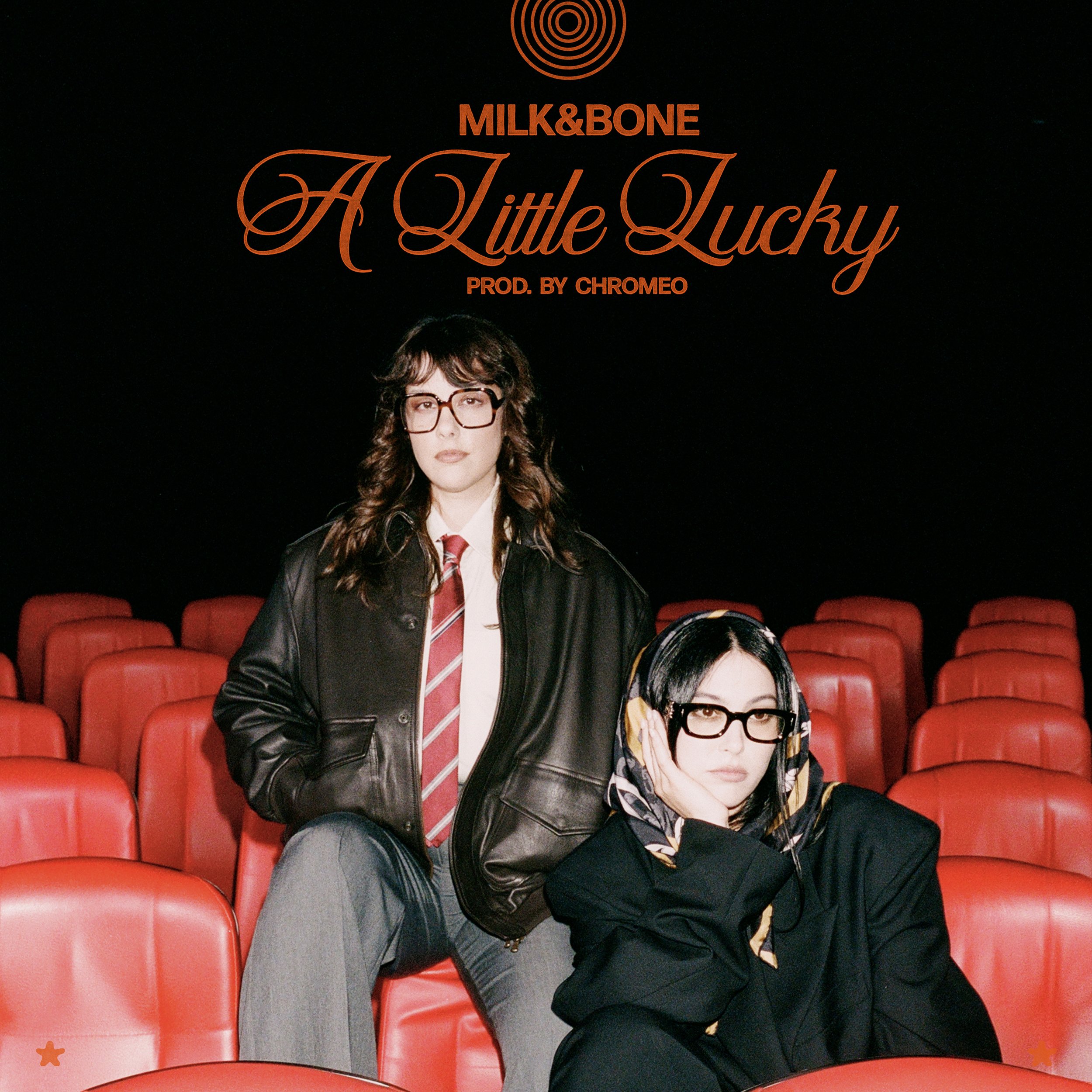
Milk & Bone’s A Little Lucky is a strong and bold EP that leans into nostalgia without feeling stuck in it. Entirely produced by Chromeo, the four-track project blends warm, analog synths with the duo’s airy vocals, creating a sound that feels both dreamy and intentional. The EP centers on tension and contrast, exploring isolation, desire, and the moments where emotional control begins to slip. With Stranger Things once again dominating the cultural conversation, it’s easy to imagine any of these tracks slipping seamlessly into the show’s soundtrack, reinforcing just how timely and cinematic the project feels.

“Hoops” opens the project with bright, danceable energy and strong retro 80s influence, channeling a sense of longing beneath its upbeat surface. “Bloodshot” turns up the intensity, pairing a warmer synth groove with sensual lyrics that capture the rush of attraction. Lyrics like “Send your love to my hips, they've been craving your touch. Your pulse on mine gives me such a rush” feature Laurence Lafond-Beaulne and Camille Poliquin’s seamless vocal harmonies that lift the track forward. It reflects a kind of love that feels so sudden and overwhelming it borders on unreal, yet remains grounded in emotional truth.

“Halfmoon” slows things down into a daydream, reflective and soft, balancing a steady pulse with thoughtful vocals that discuss personal growth and self discovery. Lyrics like “I am the eagle, a gem inside a stone. Under a half lit moon I took a leap of faith” highlight the intention of self discovery within the song. The EP closes on “Blossom Tree,” a quieter, more vulnerable moment that trades momentum for intimacy. Its layered harmonies and nostalgic tone feel like a quiet release after the tension built across the earlier tracks. A Little Lucky succeeds by knowing exactly what it wants to be: a focused, cohesive collaboration that values love, self-love, intention, and connection.

A Little Lucky is available on all digital platforms here.


YUNHWAY: INTERVIEW


by martina rexrode

photo courtesy of yunhway

For an artist as multifaceted as YUNHWAY,  innovation is everything. The Korean rapper, singer, and songwriter’s latest EP, ARRIVED, is proof that you don’t need to rush into creating the perfect body of work; sometimes the music that represents your artistry best comes when you least expect it. With a history of participating in South Korean competition shows like Show Me The Money and a sound that blends every aspect of her own background, the future is bright for YUNHWAY. Unclear Magazine chatted with YUNHWAY about her new EP, her creative process, her favorite artists, and more.

Congratulations on your latest EP, ARRIVED! What made you decide to choose a word like “arrived” for the title? Does it symbolize a specific moment or turning point in your career?

YUNHWAY: ARRIVED felt like the right word because it captures this moment where I’ve finally stepped into the sound and identity that I’ve been building quietly for years. It’s not about ‘I made it’ — it’s more like I’ve shown up as my full self now. There were so many moments in my career where I felt like I was almost there, almost understood, almost seen… and this EP was the first time I felt completely aligned with my direction. So it symbolizes arrival not as a destination, but as a declaration.”

How has the reception been towards this EP over a month since it dropped?

YUNHWAY: “The reception has honestly been really encouraging. I feel like listeners who’ve been with me for years are saying, ‘This sounds like you but evolved,’ and newer listeners are discovering me through the sound of this project, especially internationally. Brazil and Mexico — a lot of unexpected places have been showing love, which means a lot because this EP was designed to travel outside of borders.”

What was the creative process like when making ARRIVED? Is there a specific order you follow (lyrics first, beats first, etc.), or do you tend to come at every track from a different angle?

photo courtesy of yunhway

YUNHWAY: “I usually start with the beat — that’s where the emotion and attitude come from for me. I react to sound first. Sometimes the flow comes immediately while I’m listening, and the lyrics follow naturally; other times I sit with the beat for a bit until I find the exact pocket I want to hit. I don’t have one strict process because each track demands a different energy.”

Not to make you pick favorites, but which track on this EP or in your discography as a whole are you the most proud of and why?

YUNHWAY: “On ARRIVED, I’m most proud of ‘XXS.’ It’s my fans’ favourite as well. I’m not a big dancer but this song gets me bouncing and my listeners have also found the energy of the song so powerful that some have said it gets them going through their morning commute to work. I love that my sound has evolved to where it sticks with listeners through their day.”

How has having roots in Korea, Vanuatu, and Portland shaped you as an artist? Which aspects of each culture do you bring into your music, if any?

YUNHWAY: “My background has definitely shaped my perspective in music. Korea gave me the discipline to take this craft seriously and grind and work for it. Vanuatu gave me the rhythm and emotion that feels natural and instinctive — and being really in tune with how you feel. Portland allowed me to embrace different genres, especially alternative sounds. I think my music naturally mixes those elements: precision, emotion, and individuality.”

Which artists have influenced your musical evolution? Who are you listening to on a regular basis and finding inspiration in?

YUNHWAY: “I listen very widely, but the artists who consistently influence me are the ones who create their own pockets in the industry — people like SZA, The Weeknd, Frank Ocean, and so many more. I’m inspired by listening to artists that create their own world.”

What are your biggest, most aspirational dreams for your future as an artist?

YUNHWAY: “My biggest dream is to become a global artist in the true sense — not confined to one country or one scene. I want my music to travel the way I’ve lived my life: across cultures, across languages, across genres.”


FIND YUNHWAY ONLINE

INSTAGRAM